Keith VanKreisel

I don't write values
for organizations.
I excavate them.

Brand Systems  ·  Design Operations  ·  Employer Branding

Selected work

05 Case studies

01

Case study 01 · Dorman Products

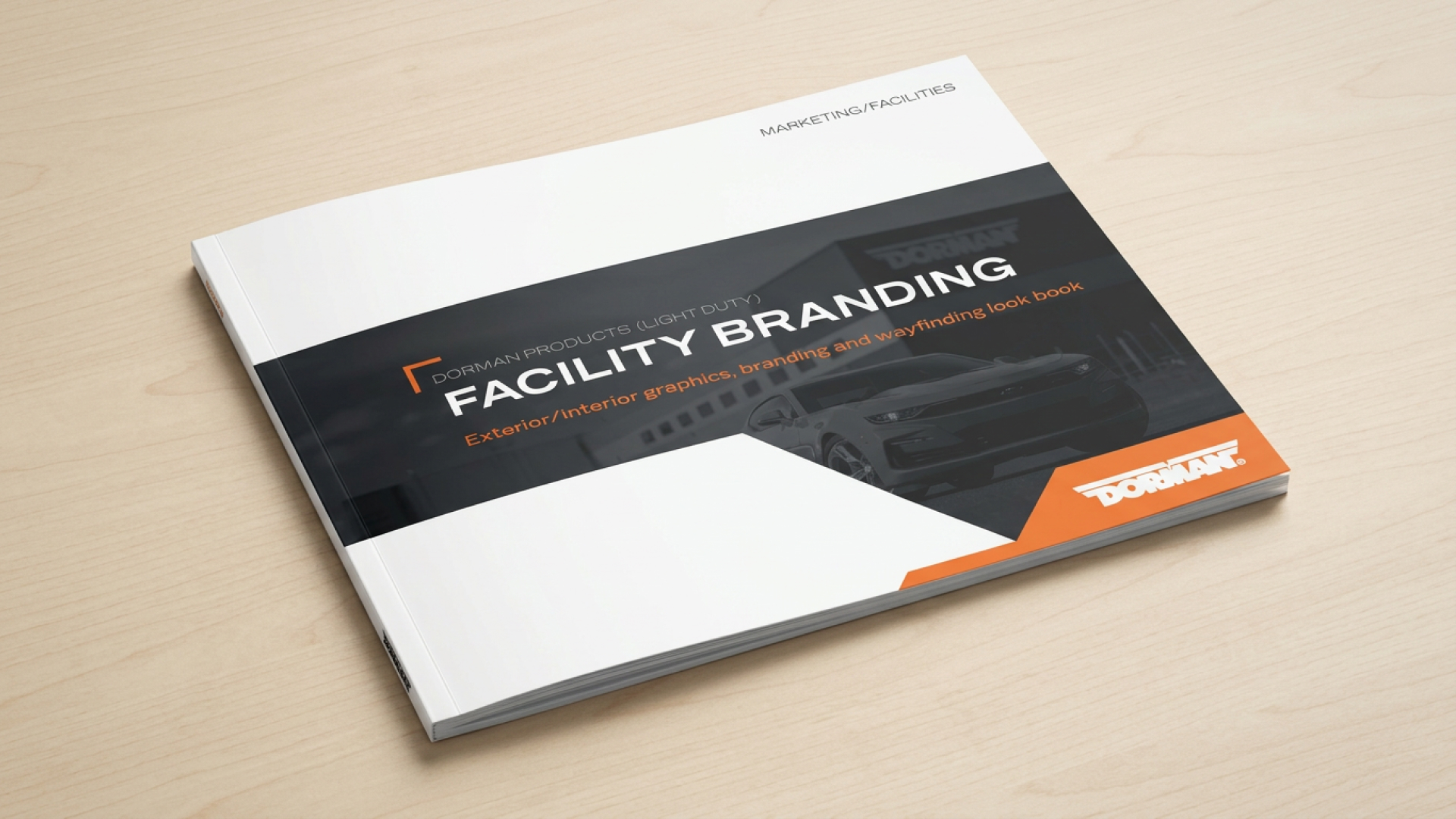
Every location. One brand. No exceptions

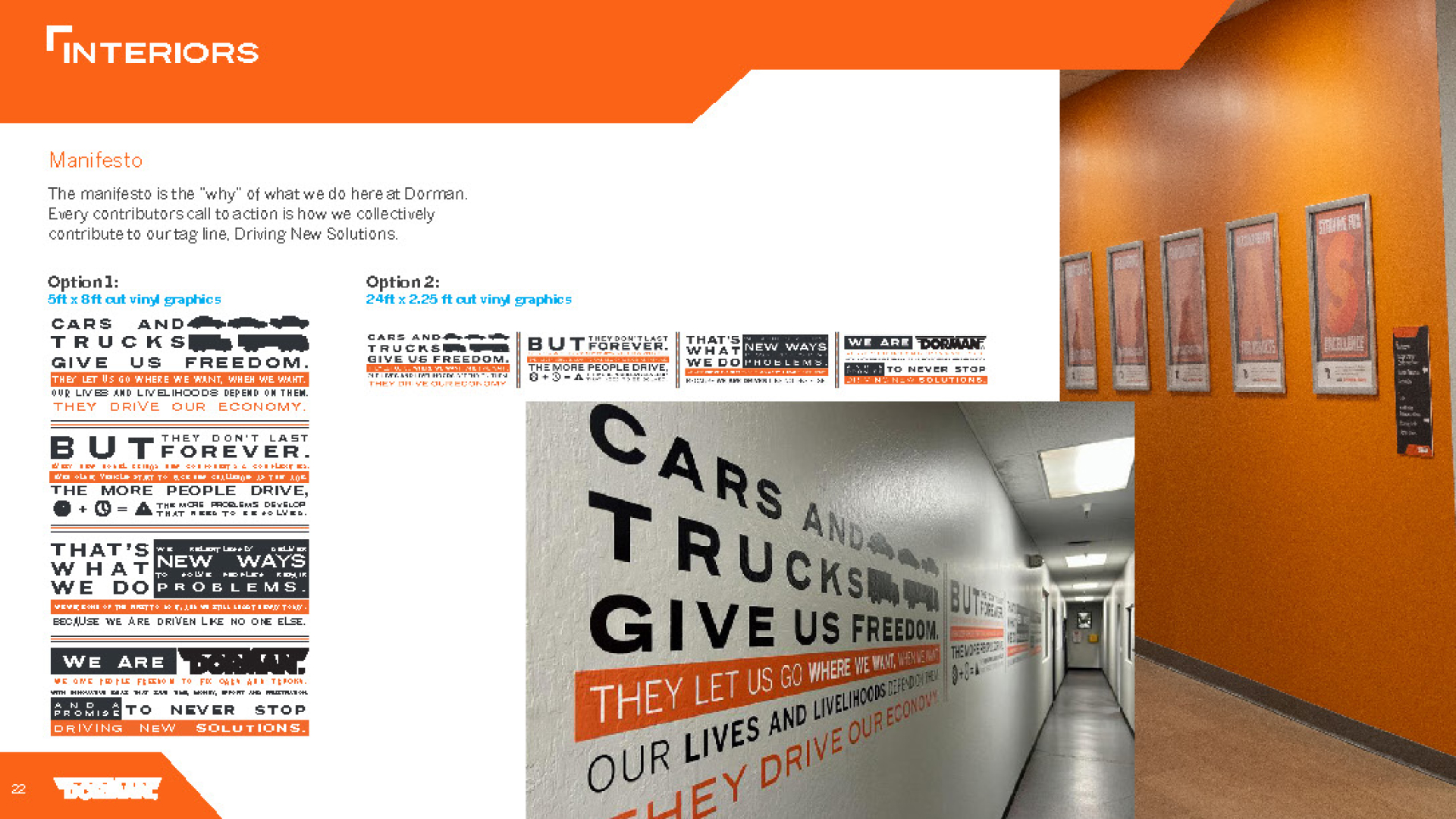
Interior & Exterior Architectural Design Guide

Brand Systems
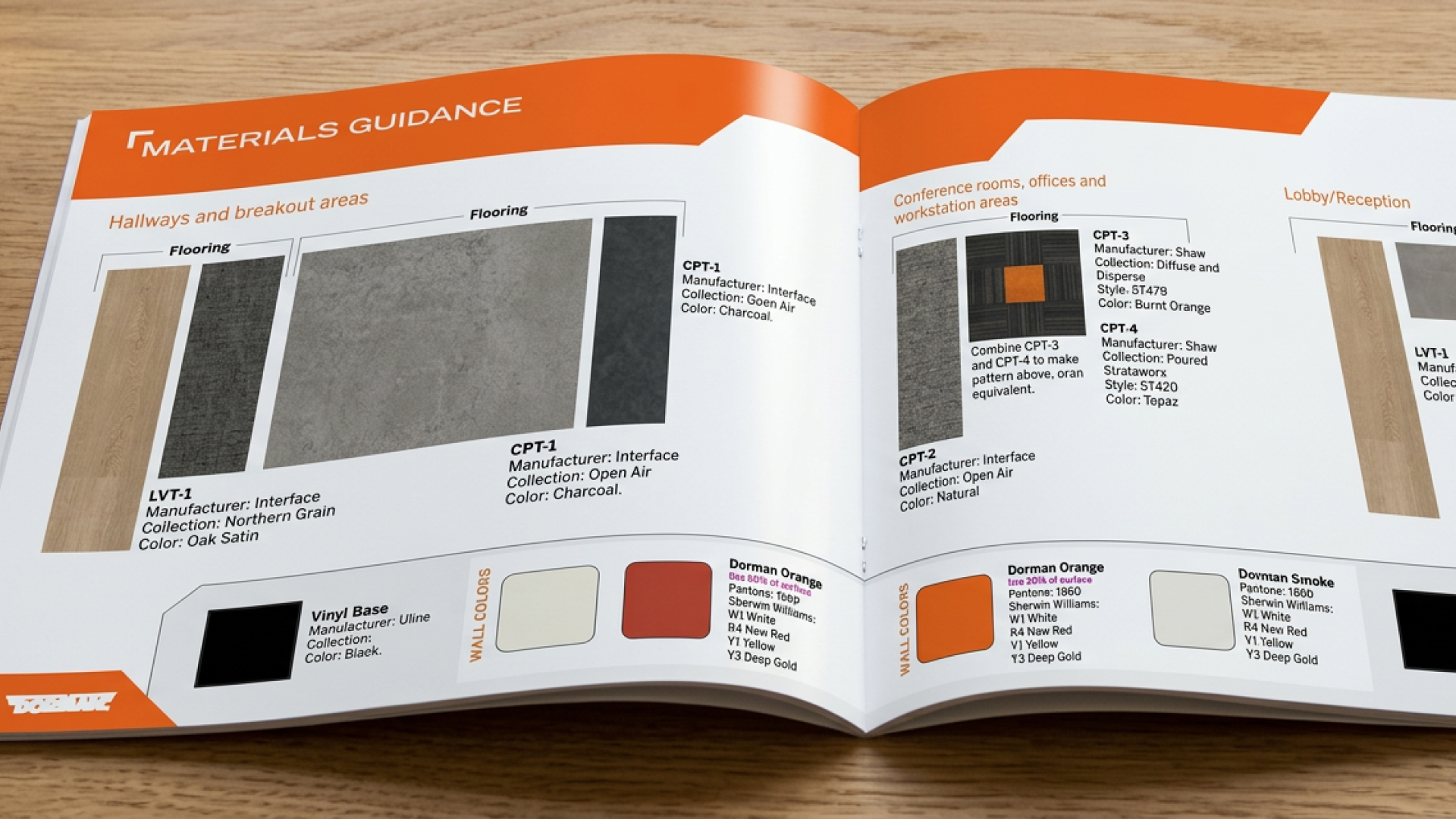
Interior spread of guide

At a glance

13

Facilities under one standard

2

Brands unified · light & heavy duty

3

Countries · US · India · China

1 month

Facility branding cycle, down from three to five

The problem

Dorman was expanding its physical footprint, adding distribution centers and manufacturing facilities to support a growing supply chain. The brand wasn't keeping pace, and the gap showed up in two directions at once. Some facilities were inventing their own belonging messaging for their employees, well meant and completely off brand. Others were waiting on me for a level of hand holding their site didn't need. No standards, no consistency, and a bottleneck in the middle of it.

My role

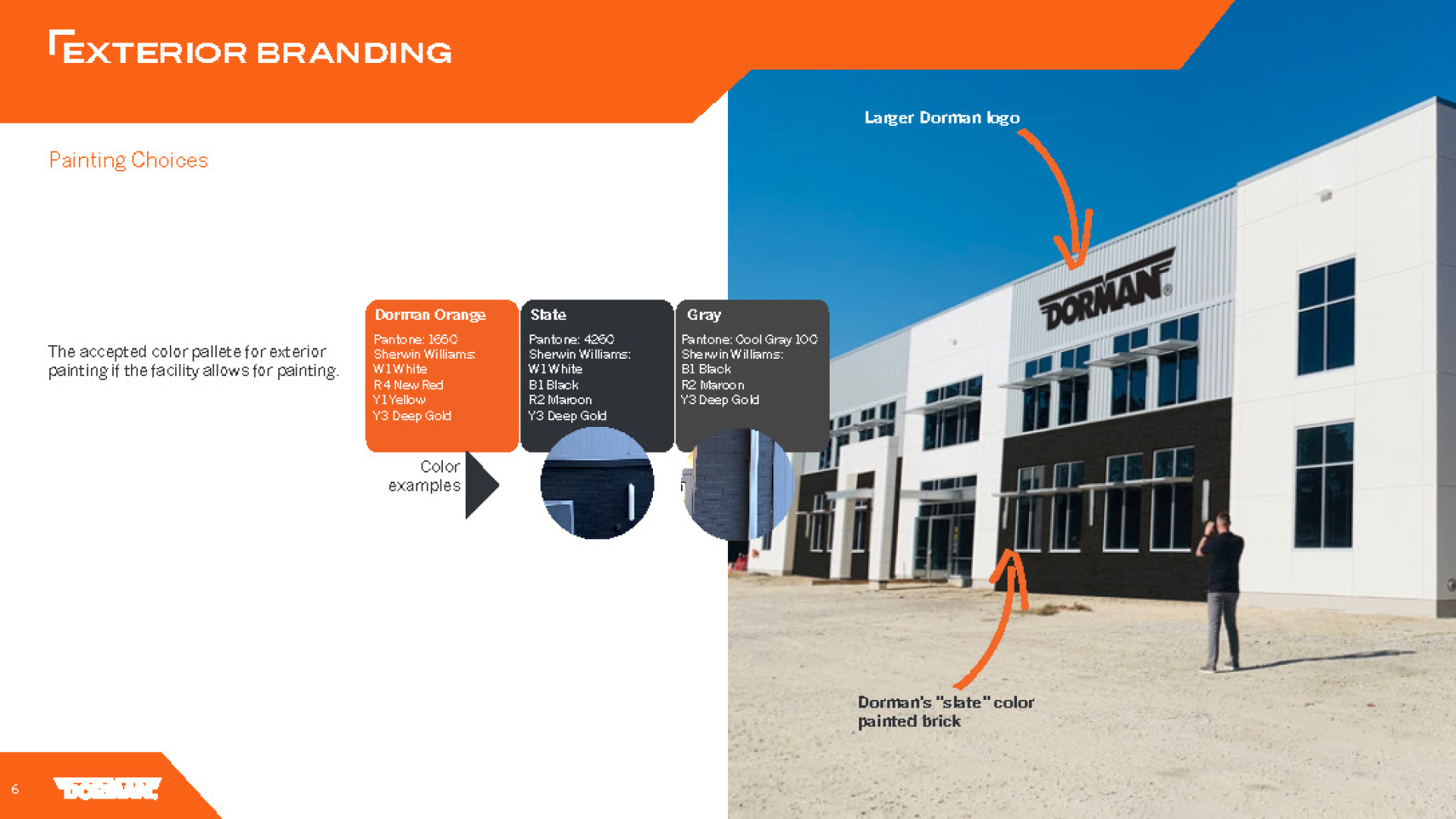
Sole creative owner, brief to bound document. I defined the strategy, designed the system, and produced the final guide. It was proven first on two new Dorman facilities in Virginia Beach, VA and Shepherdsville, KY, then extended across the network as the standard for every site to follow. I built it as specifications plus a costed look book, so an operations team could select the messaging, materials, and fixtures that fit the purpose of their building without a designer in the room: furniture, carpet, bathroom fixtures, and which messages belong in which kind of space.

The outcome

The guide was delivered and immediately put to work. New facilities were built to spec from the document alone, with no creative bottleneck and no back-and-forth. The president of our light duty division forwarded it to product and operations VPs and directors as the standard for every new facility, acquisition, and site improvement. It's since become the standard applied across the network: 13 facilities, two brands, and three countries. A facility that typically took three to five months of design time was specified and installed in one. Complex sites still take longer, but most no longer need me at all.

Became official company policy
"The president of our light duty division forwarded it to every VP with one message: this is the guide for any and all new facilities."

Why it matters

The measure of a great design system is not whether it looks good on the facilities it was made for. It's whether the next person who opens it can build something just as strong without asking a single question.
Why it matters · 3 images

02

Case study 02 · Dorman Products

One company. Three brands. One voice

Enterprise Purpose, Mission & Values

Employer Branding
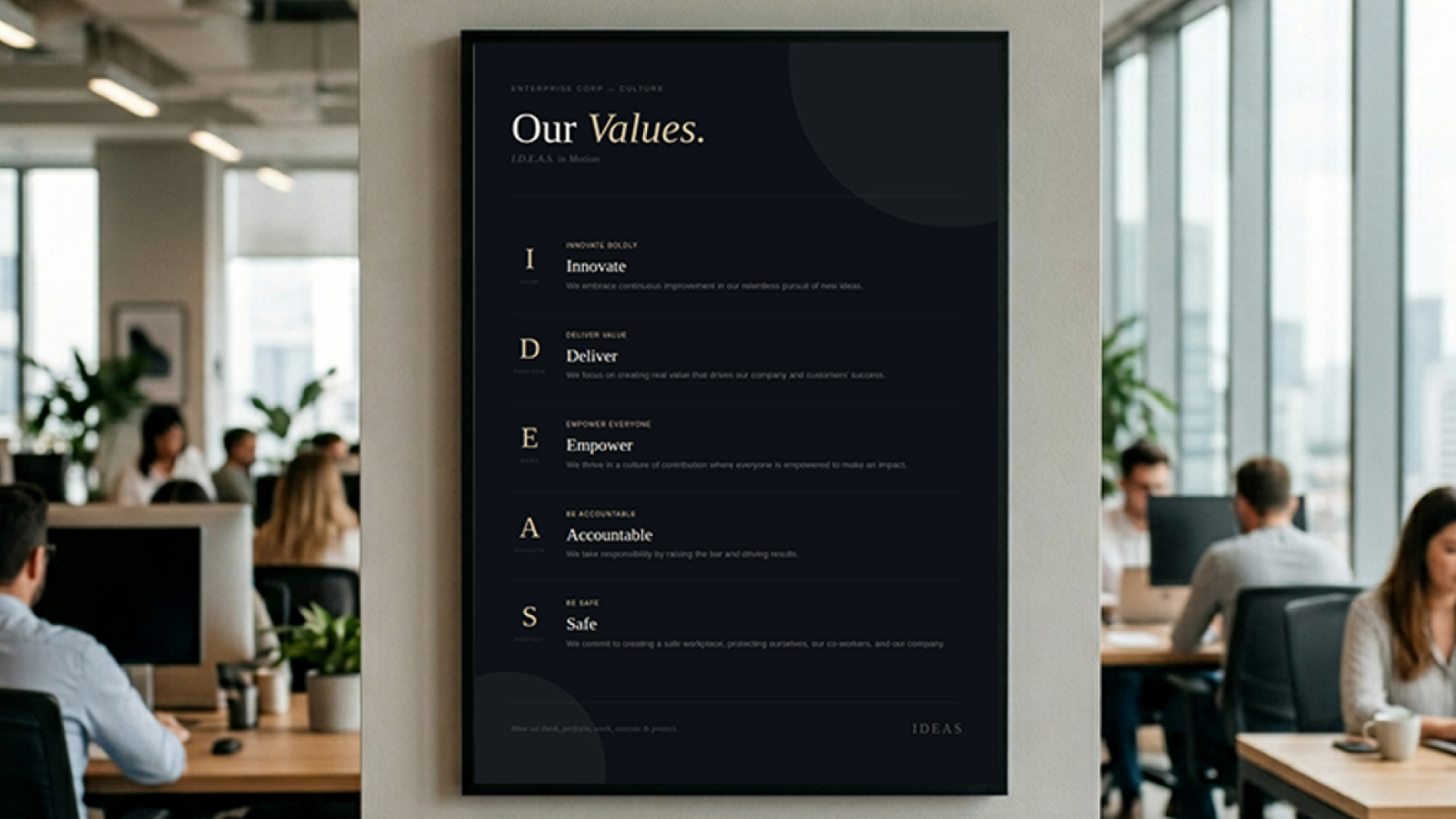
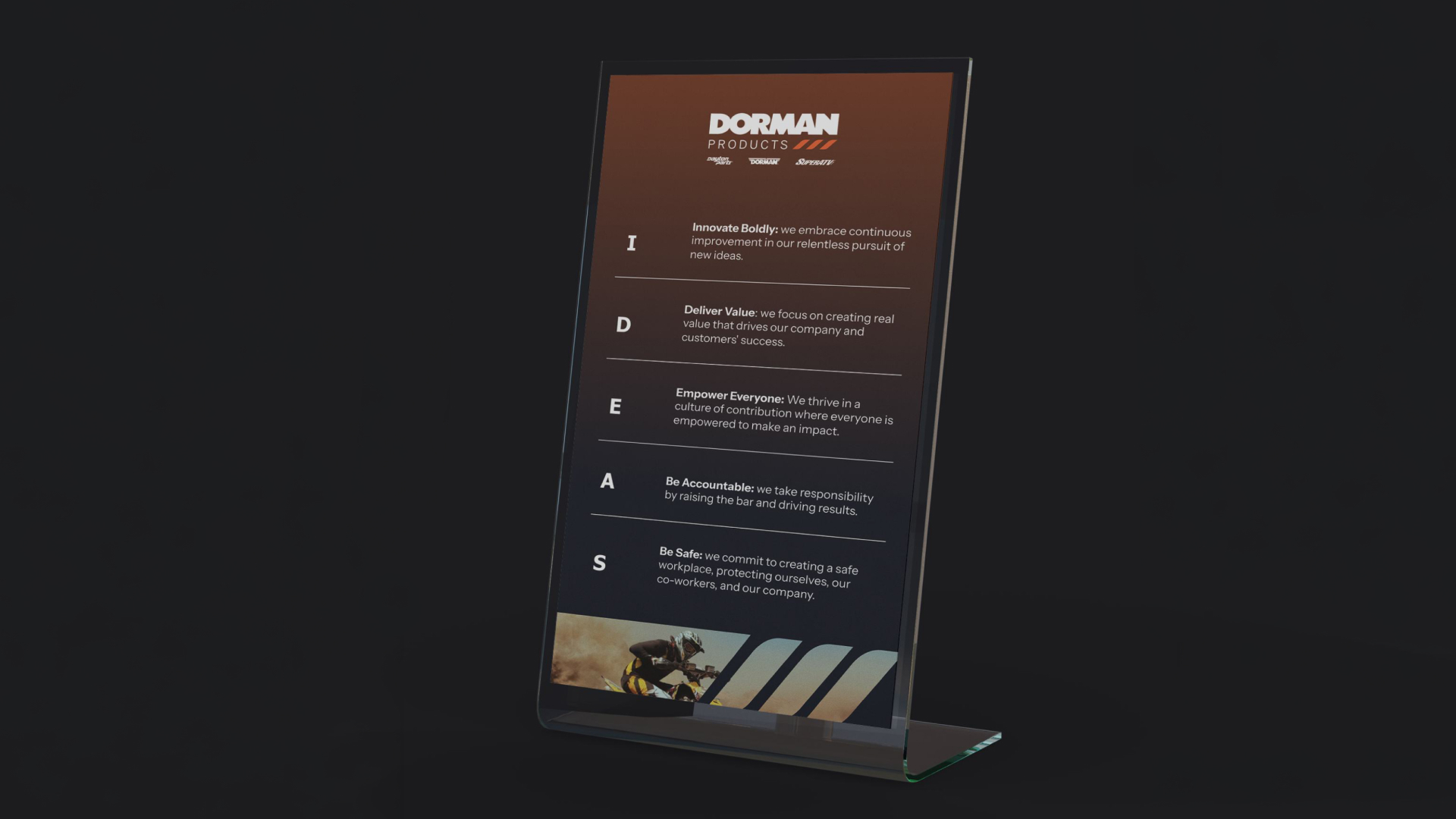
Purpose Mission Values

At a glance

4,000+

Contributors reached

5

Countries

13

Facilities in physical rollout

$4,500

Budget per facility

The problem

Dorman Products had grown into a multi-segment enterprise spanning three brands: Dorman Products, Dayton Parts, and Super ATV. Contributors at acquired companies felt unintegrated. Legacy teams were writing their own mission statements. A 4,000-person global workforce was fragmenting.

My role

End-to-end creative strategy lead. I designed and led a structured stakeholder questionnaire across all three segments, recruited 24 contributors spanning operations to VP, synthesized the findings, developed the framework, and returned to validate with the source.

The outcome

The Values launched enterprise-wide to immediate, resounding reception. For employees at Dayton Parts and Super ATV, it was the first time they had been asked what they believed, and the first time the answer had been built into something the entire company would carry.

4,000+ contributors · 5 countries
"The challenge was not just writing it. It was earning it."

What's happening now

The Values are moving off the page and into the buildings. I'm currently leading the physical rollout across the facility network on a $4,500 per-facility budget: lobbies, values posters, a brand wall, and a company timeline. The new facility is the flagship: it's where the PMV work shows up most visibly, built into the space itself rather than communicated about it.

Why it matters

Employer branding at the enterprise level is rarely a design problem. It's an organizational trust problem. This project succeeded because the process matched the promise. We didn't write values for the company. We excavated the values already inside it, and now we're building the spaces that prove we meant it.

What's happening now · Why it matters · 3 images

03

Case study 03 · AIGA Philadelphia

The most honest test of leadership is when no one has to follow you

7+ years · Chapter Volunteer → Board Resources Director → Programming Director → Vice President → President → Treasurer

Creative Leadership
AIGA Philly
AIGA Philly

At a glance

$10,500

Scholarships awarded

138

People mentored

60%

Revenue growth YoY

900+

Annual attendees

The challenge

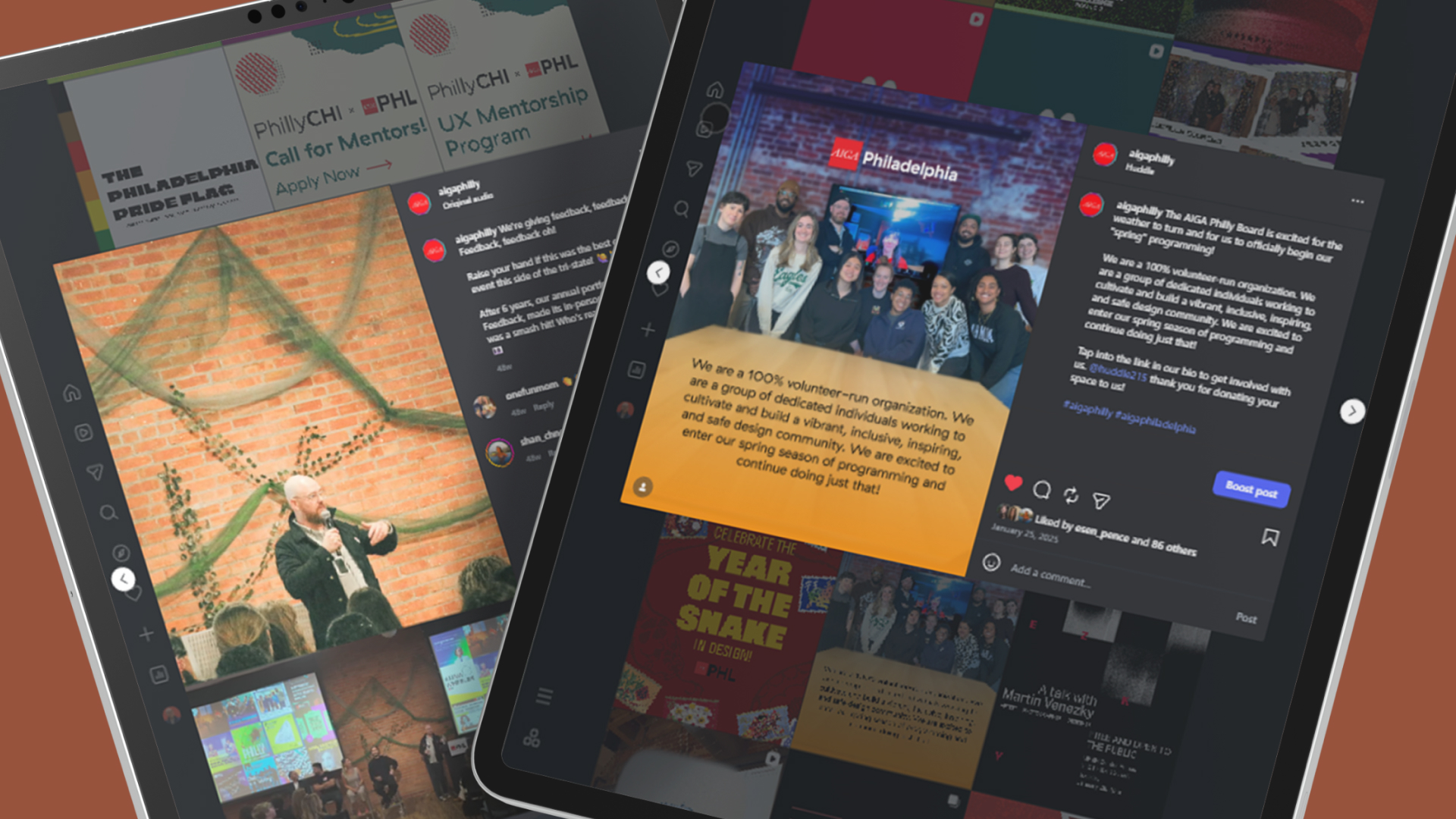
AIGA Philadelphia needed more than a leader. It needed a builder. The chapter was operating without a stable financial foundation, a clear strategic direction, or a consistent framework for delivering value to its ~3,000-person community. Seven-plus years of board service, across five roles and culminating in a two-year term as President, gave me the opportunity to address all three, from the inside out.

My role

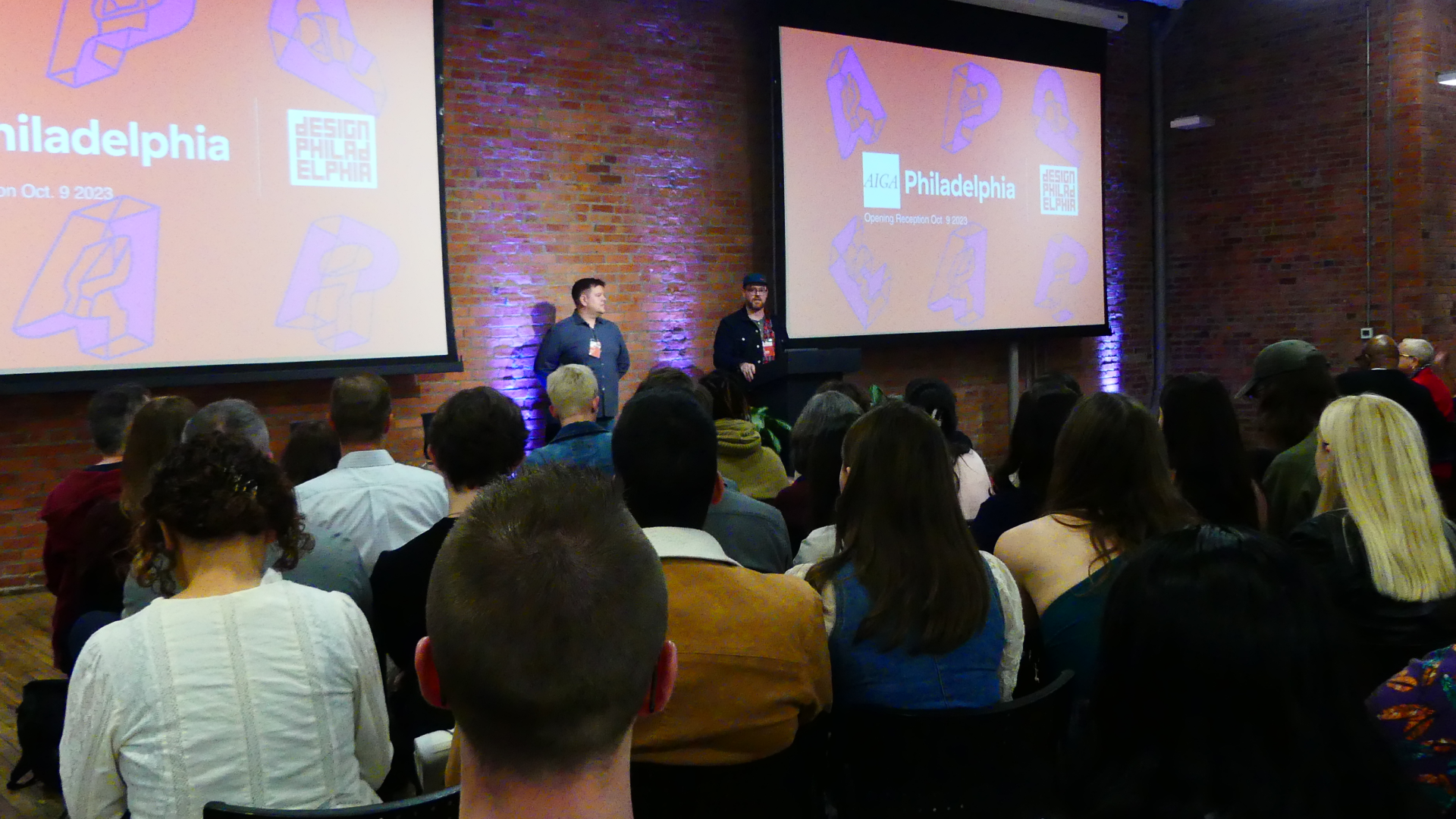
My path ran from general chapter volunteer through Board Resources Director and Programming Director, to Vice President and a two-year term as President. When my term ended, I stayed on as Treasurer rather than step away. Seven-plus years of progressively deeper involvement meant that by the time I held the president's seat, I understood every lever in the organization. I led a 16-person volunteer team, owned the chapter's three-year strategic plan, managed a $16,300 annual budget, and was accountable to both the local community and AIGA National.

The outcome

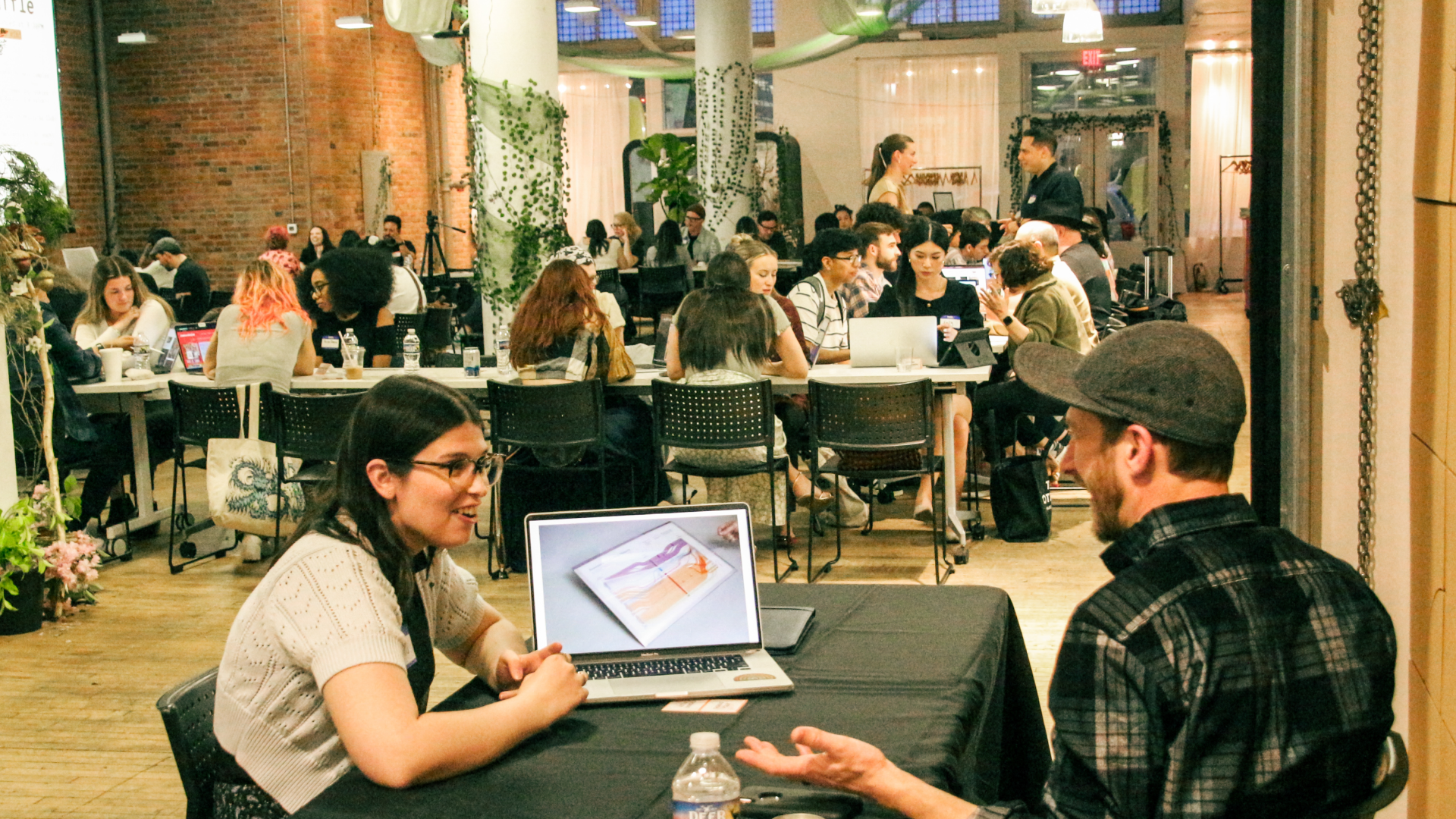
Revenue grew 60% year-over-year. The chapter ran 30 events in a single fiscal year, drawing 900+ attendees. Over two years: $10,500 in scholarships awarded, 148 student portfolios reviewed, 138 people mentored, 160 students professionally published. Community communications reached 5,000 email subscribers at a 36% open rate, well above industry standard.

7+ years · 5 roles · stayed on after the presidency
"The most important leadership you'll ever do is the kind nobody pays you for, where your only currency is trust and your only tool is the work itself."

The approach

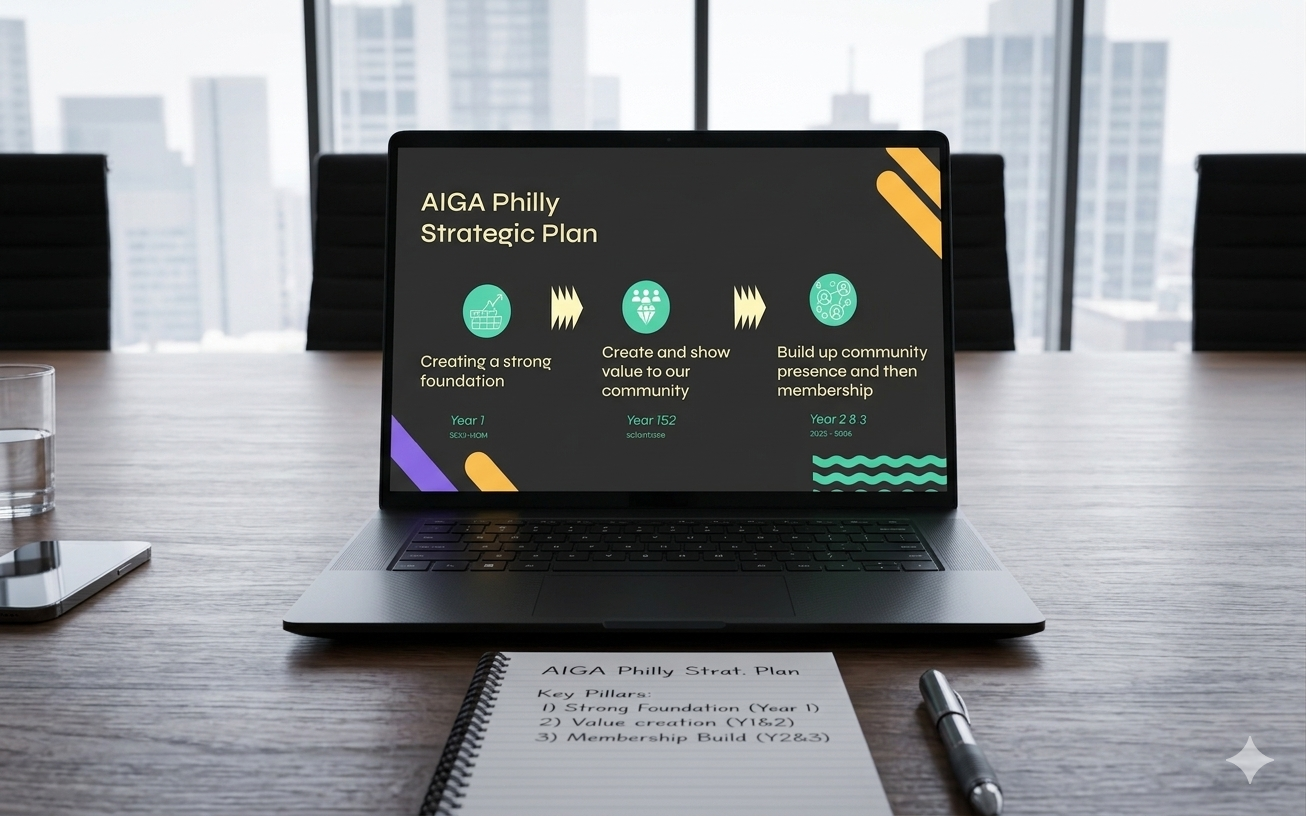
I built the chapter's strategy around three phases: create a strong foundation in Year 1, demonstrate and show value in Years 1–2, then grow community presence and membership from Year 2 forward. Each phase had attainable goals per functional group (programming, finance, and communications) so that a volunteer team with no direct reporting structure could actually execute against them.

Why it matters

Volunteer leadership is a different kind of proof. No one has to follow you. No one has to show up. The work either earns people's time and trust, or it doesn't. Building an organization that people choose to be part of, and measuring that choice in scholarships, mentorship hours, and packed events, is some of the most honest creative leadership I've done.

The approach · Why it matters · 3 images

04

Case study 04 · Dorman Products

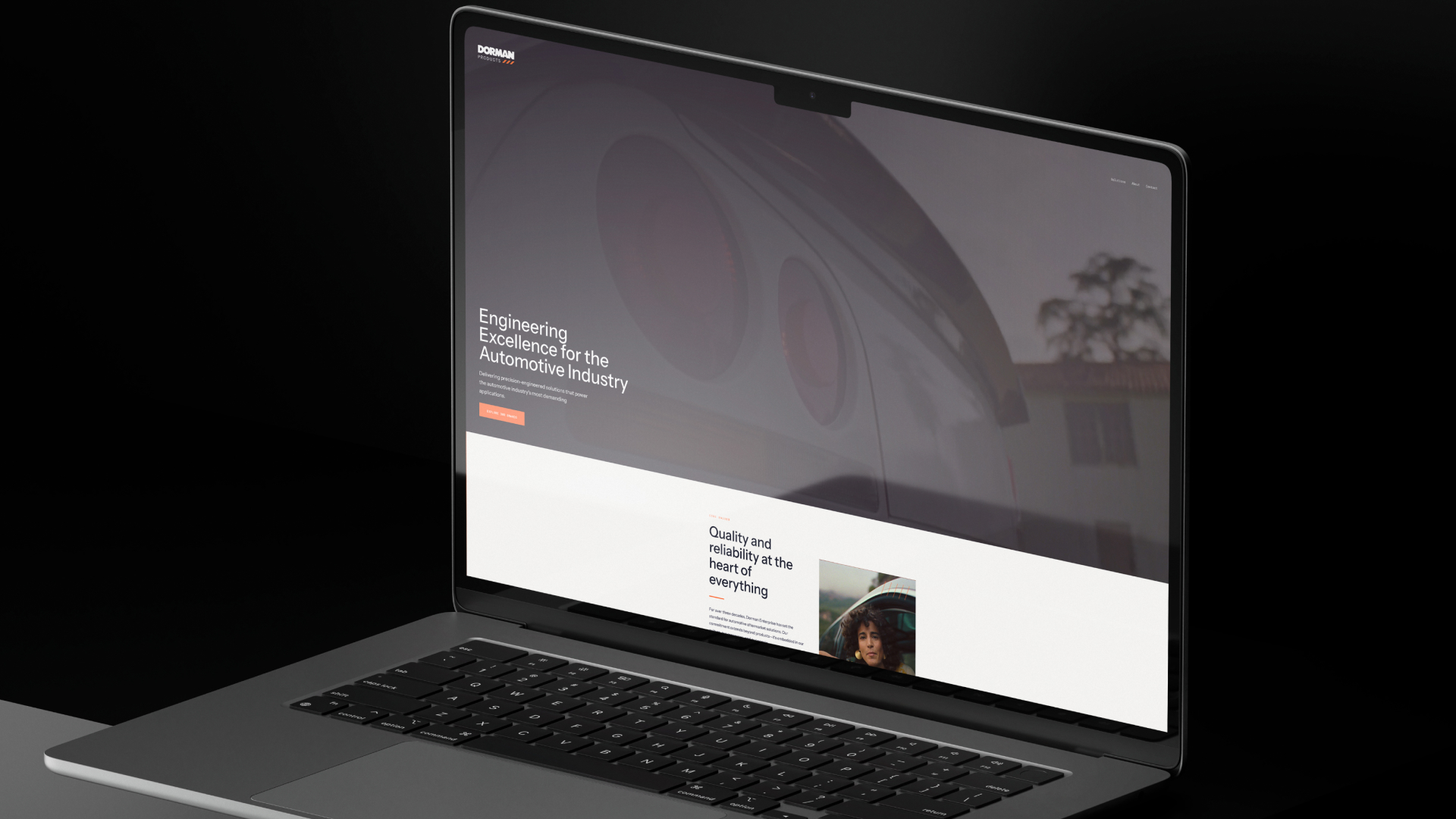
No one gets left out: enterprise accessibility across three digital brands

ADA / WCAG Compliance · Dorman Products, Dayton Parts, Super ATV

Accessibility
Enterprise Accessibility

At a glance

60–80%

Accessibility before

90–98%

Accessibility after

3

Enterprise sites compliant

6

Months to full compliance

The problem

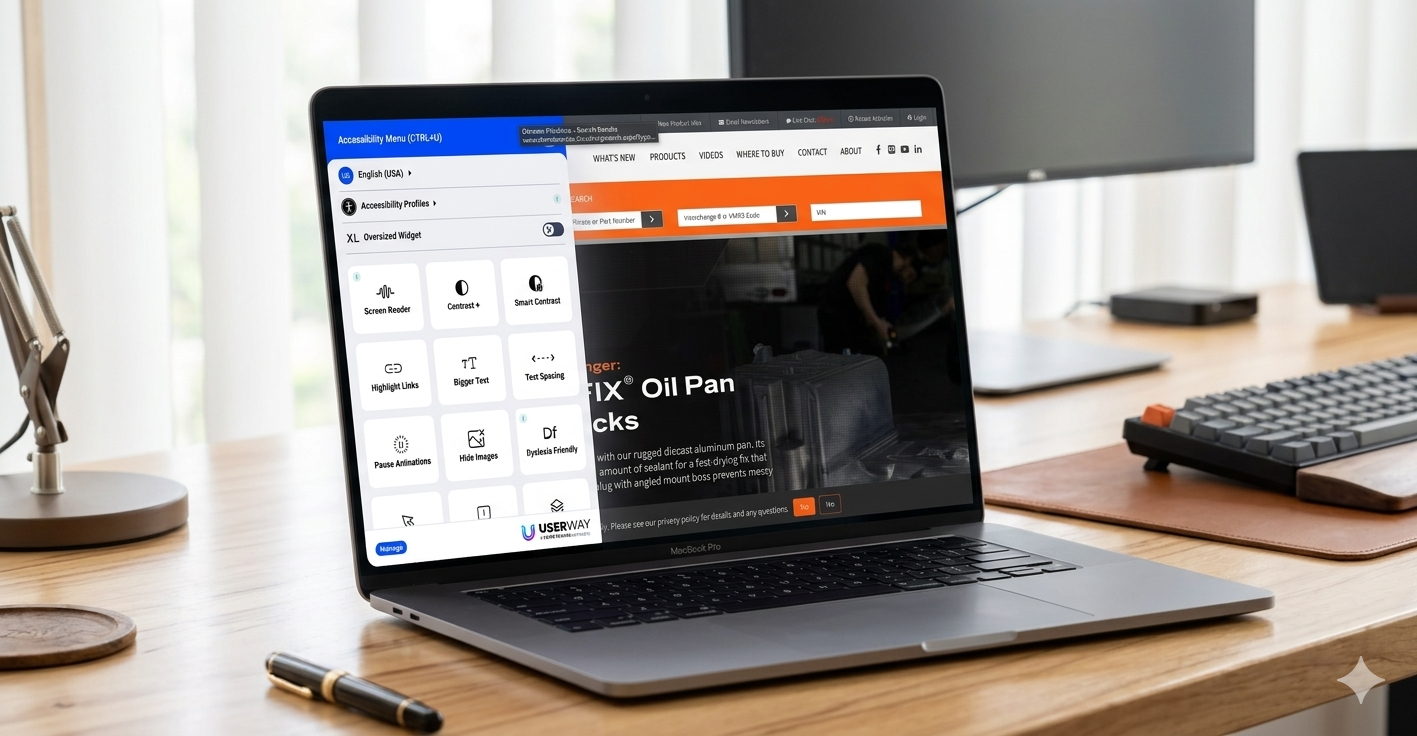
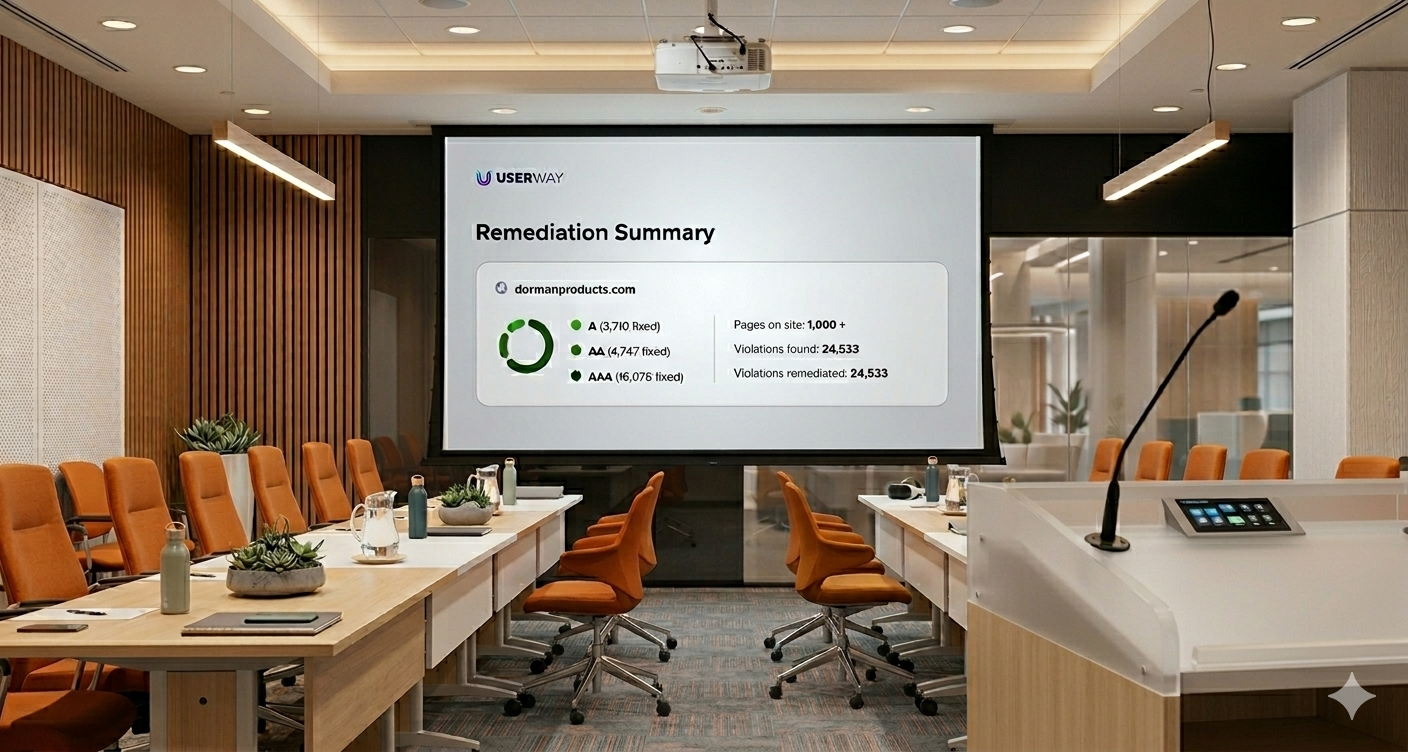
Across all three Dorman segments (Dorman Products, Dayton Parts, and Super ATV), the digital properties were carrying significant exposure. Accessibility scores were sitting between 60 and 80 percent, leaving a meaningful portion of users unable to fully access our sites and leaving the organization open to litigation. The harder truth was simpler: we were excluding people. That was reason enough to act.

My role

I drove this initiative from the first conversation to the final install. That meant making the case internally, translating accessibility risk into language that resonated with legal, finance, and leadership. Then I led vendor research, built the recommendation, presented it for approval, and oversaw implementation across all three segments.

The outcome

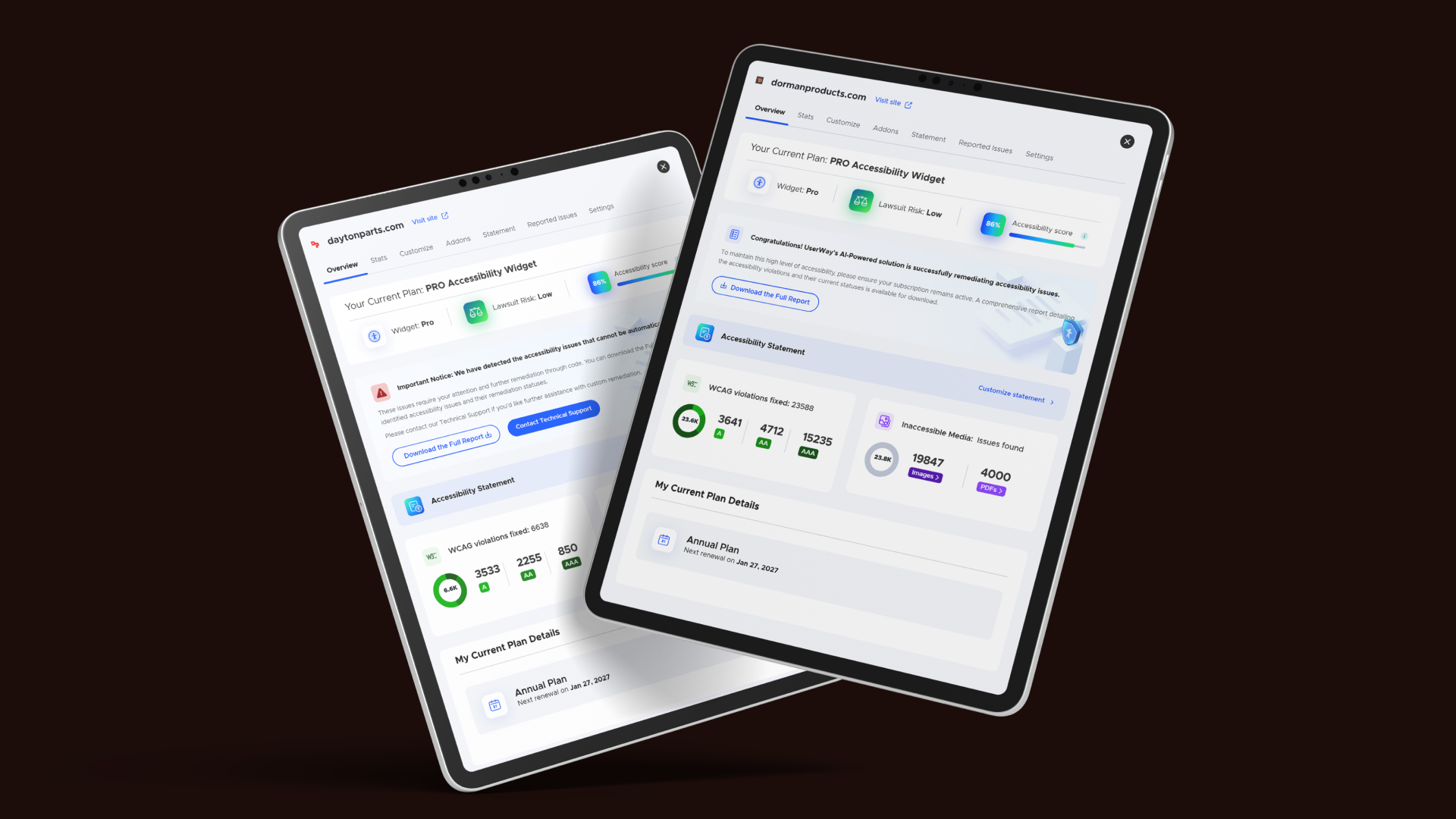
Within six months, all three segment sites achieved WCAG compliance. Accessibility scores moved from 60–80% to a range of 90–98% across the portfolio. The litigation risk that had been mounting quietly was eliminated. And the work didn't stop at compliance. The accessibility data we now collect is actively informing how we design future assets, so that inclusivity becomes part of the creation process, not a retrofit applied after the fact.

Advocate · Researcher · Decision-maker
"The legal risk was real. But that wasn't why I pushed for this. We were leaving people out, and that's not the kind of organization we want to be."

The process

The work moved in four stages. First, advocate and educate: helping stakeholders understand both the legal exposure and the human cost of inaccessible digital experiences. Second, vendor research: evaluating several accessibility solutions against our multi-segment enterprise needs. Third, recommendation: presenting UserWay as the right fit and building the case for adoption. Fourth, implementation: coordinating installation across all three brand sites.

Why it matters

Accessibility work often gets framed as a legal problem. I treated it as a design problem, and a values problem. The organizations that build for everyone don't do it because they're afraid of being sued. They do it because they've decided that no one gets left out. Getting there requires someone willing to advocate before there's urgency, research before there's consensus, and execute before there's a crisis. That's what this was.

The process · Why it matters · 2 images

05

Case study 05 · Dorman Products

The errors that survive nine rounds of review

Automated Brand & Accessibility QA · Python · InDesign · Vale

Design Operations
QA report output
QA report output

At a glance

9

Review rounds the defect survived

253

Reviewer comments analyzed

10

Contradictions found in our own guides

~1s

To find what five reviewers missed

The problem

A 2026 planogram brochure went through nine rounds of review: 253 comments from five reviewers. The approved final file still shipped with the order period wrong on page two: it read August 14th while the cover and back page both read the 17th. Not a careless team. A structural blind spot. People review pages, and that error only existed between pages. No amount of additional review would have caught it, because every round was looking at the wrong unit of work.

My role

Sole author. I treated the review history as a data set rather than a frustration, mining nine rounds of markup on one live job, plus five rounds on another, for what our reviewers actually catch and what they consistently miss. I built three integrated tools against those findings and wrote the documentation myself.

The outcome

The date error that survived nine rounds and five reviewers is now found in about a second. Beyond the errors, the analysis surfaced ten unresolved contradictions inside the company's own brand and style guides: places where two people following the guidance in good faith would produce different work. Nobody was looking for those. They only became visible once the standard was written as executable rules instead of prose. After a demo, our director of brand content and creative asked whether it could be scaled for people outside marketing, as a first line of defense so they could check their own work against brand, tone, and style before it reached the creative team.

Design Ops · Built, shipped, documented solo
"People review pages. That error only existed between pages."

The approach

Mined 253 reviewer comments across nine rounds, classified by type and recurrence. The single most repeated correction appeared seventeen times across two separate jobs. Built three tools to the findings: a Python reviewer for PDF, Word, and image files; an InDesign audit script; and a rules package encoding the team's style guide as executable checks that cross-reference facts between pages (dates, figures, and part numbers), the exact class of defect a page-by-page review structurally cannot see. Every check reports what it did not evaluate, rather than silently passing what it skipped. Packaged as a portable install so the team needed no IT provisioning to use it.

Why it matters

Most quality problems in creative work get treated as attention problems: look harder, add another reviewer, and care more. Nine rounds and five reviewers was a lot of looking harder, and it didn't work. The rules in this system aren't my opinion of good practice. They're what our own reviewers corrected, over and over, written down so nobody has to correct them again. A design system that only exists as a document depends on people remembering it. One with tooling behind it doesn't.

The approach · Why it matters · 2 images
Speaking

Culture isn't words on a wall. It's how people feel on a Sunday evening.

I speak at the intersection of organizational culture, purpose-driven brand systems, and the experiential design that makes both real. The thesis is simple: a strong culture produces a strong PMV, and a strong PMV, told through thoughtful experiential design, changes how people actually behave. Not aspirationally. In practice.

Topics
Brand systems & creative leadership
Employer branding & organizational culture
Enterprise experience design
UpcomingConfirmed · October 8, 2026

Culture isn't words on a wall: building behaviors that last through PMV and experiential design

PhillyCHI: 2026 UX Community Conference · 5:00 PM · Independence Blue Cross, Philadelphia, PA

Most organizations treat culture as a communication problem. Write the values. Print the poster. Send the all-hands deck. But culture isn't what you say. It's what people feel on a Sunday evening when they think about coming in on Monday. This talk connects the dots between a purposefully built PMV, the stories you tell your team, and the spaces and experiences that make it all real.

Employer Branding Culture Design Experiential Design PMV
Interested in having Keith speak at your event or organization?
Reach out to start a conversation about fit, format, and availability.
Get in touch

About

Keith VanKreisel

I don't write values for organizations. I excavate the ones already inside them, then build the systems to make them scale.

Keith VanKreisel is a brand systems leader with deep expertise in employer branding, enterprise experience design, and the organizational work that makes creative strategy hold at scale.

His practice is built on a simple conviction: the most effective brand work doesn't start with what a company wants to say. It starts with what the people inside it already believe. Keith leads with listening, then builds the creative frameworks, design operations, and visual languages that translate organizational truth into work that lasts.

Across his career, he has led brand and design engagements that span physical environments, enterprise identity, and multi-segment cultural alignment, including work that has been adopted as official company policy at the executive level and rolled out to workforces spanning multiple countries.

He approaches every engagement as a systems problem as much as a creative one.

"The measure of great work is not whether it looks right on day one. It's whether the next person can build something just as strong without asking a single question."

Credentials

Specialty

Brand Systems · Design Operations · Employer Branding

Industries

Automotive · Manufacturing · Distribution · Multi-segment Enterprise

Scale

Work deployed across 4,000+ person workforces spanning 5 countries

Get in touch

Good work always finds a conversation worth having

I'm always open to talking about interesting creative challenges: consulting engagements, speaking opportunities, or just a conversation about where brand and culture intersect. If you think there's something worth exploring, reach out.

Say hello